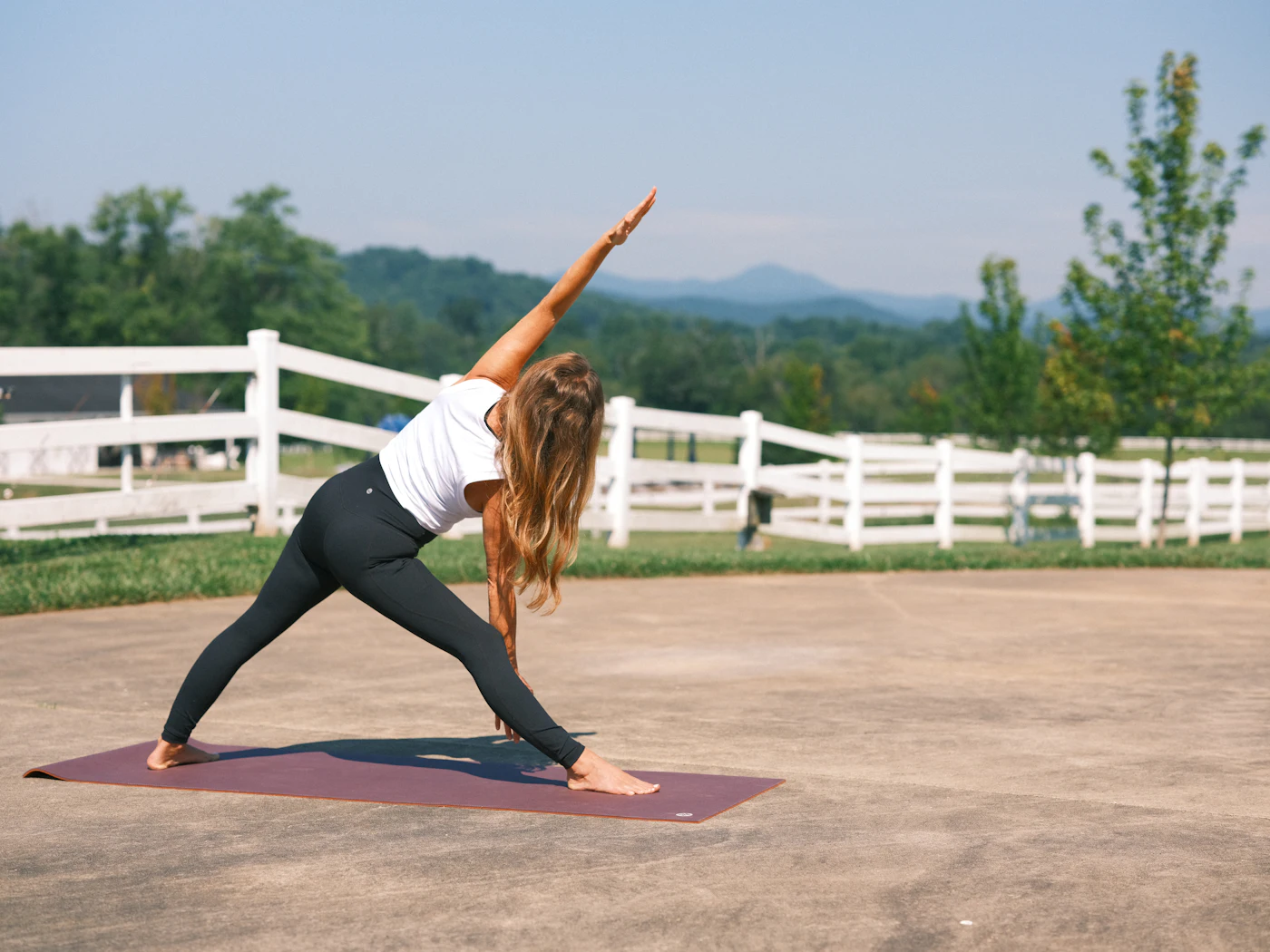
Movement as medicine: how exercise helps mental health
We often see exercise as a way to a fitter body. Its benefits for the mind, though, are just as important, and perhaps more so. Today the research is very clear: movement helps mood, anxiety and sleep, and you don't need to become an athlete to see it.
What the research says
- A large 2023 review, which brought together dozens of other reviews with more than 128,000 participants, found that physical activity noticeably reduces symptoms of depression, anxiety and psychological distress. In several cases, the effect was comparable to that of psychotherapy or medication.
- Other studies show that people who move regularly are less likely to develop depression in the future.
- And beyond mental health: movement that raises your heart rate, even for a few minutes every day, is linked in the long term to a longer life and a healthier heart. And almost always, we feel better.
This doesn't mean exercise replaces therapy, but that it is one of the most powerful tools we have, and the most accessible.
What happens in the brain and body?
Scientists don't have all the answers yet, but there are several likely mechanisms, and they probably work together:
- Brain chemistry. Movement affects substances such as endorphins, endocannabinoids, dopamine and serotonin, which are linked to mood, pleasure and calm.
- "Fertiliser" for neurons. Exercise increases a protein (BDNF) that helps the brain form new connections.
- Stress. Regular movement helps the body regulate its stress response better.
- Sleep. People who move during the day usually sleep better, and sleep is fundamental to mental balance.
- A sense of achievement. Every time we do what we said we would, we build a little confidence.
- Distraction and connection. Movement takes us out of thoughts that go round in circles, and often brings us closer to other people.
Walking the problem
There's also a more poetic way to put it. When we move, the noise travels down from the head to the feet, and we walk the problem instead of turning it over and over in our mind. Movement is action: we stop waiting to feel ready, and through action we become more ready.
It doesn't take much: a few minutes every day that raise your heart rate, done consistently, make a difference to both body and mind.
How much movement do I need to see a difference?
Less than you think.
- The World Health Organization recommends 150–300 minutes of moderate activity a week for adults, that is about 20–40 minutes a day, plus strength work twice a week.
- A 2022 analysis, however, found that even half of that, about 2.5 hours of brisk walking a week, was linked to a significantly lower risk of depression.
- The 2023 review showed that moderate and more vigorous movement help more, and that programmes of up to 12 weeks often have the best results. Consistency matters more than intensity.
And most importantly: every movement counts. The stairs, the walk to the corner shop, dancing in the kitchen.
Which movement is the "right" one?
The one you'll actually do. Walking, cycling, swimming, dancing, yoga, weights, team sports: they all help. Some things seem to help even more:
- Activities with others, which add social contact.
- Moving outdoors, in nature, which combines light and calm.
- Exercise with breathing and focus (e.g. yoga), especially for anxiety.
What do I do when I have no motivation at all?
This is the most common difficulty, especially when your mood is low. A few ideas:
- Don't wait for the mood to come. It usually arrives after the first few minutes, not before.
- Start with 5 minutes. "I'll walk to the corner and back." If you want more, keep going.
- A fixed time and place. "After lunch, 10 minutes' walk." Fewer decisions, less resistance.
- A movement buddy. It's harder to cancel when someone is waiting for you.
- Notice how you feel afterwards. Rate your mood before and after (0–10). What you see on paper becomes motivation for next time.
- Kindness, not punishment. Movement is something you do for yourself, not something you "owe".
In short
You don't need to run a marathon. Even 20 minutes of brisk walking a day can make a significant difference to your mood. Find an activity you enjoy, start small, and give yourself time.
Written by
Aristea Kontokosta, Psychologist
BSc in Psychology (University of Ioannina) and Adult Educator certification (University of Macedonia), with training in Cognitive Behavioural Therapy and NLP. She works with anxiety, depression, habits and holistic wellness, online and in person in Kallithea, Athens.
Sources
- Singh, B., Olds, T., Curtis, R., et al. (2023). Effectiveness of physical activity interventions for improving depression, anxiety and distress: An overview of systematic reviews. British Journal of Sports Medicine, 57(18), 1203–1209.
- Pearce, M., Garcia, L., Abbas, A., et al. (2022). Association between physical activity and risk of depression: A systematic review and meta-analysis. JAMA Psychiatry, 79(6), 550–559.
- Schuch, F. B., Vancampfort, D., Firth, J., et al. (2018). Physical activity and incident depression: A meta-analysis of prospective cohort studies. American Journal of Psychiatry, 175(7), 631–648.
- Ekelund, U., Tarp, J., Steene-Johannessen, J., et al. (2019). Dose-response associations between accelerometry measured physical activity and sedentary time and all cause mortality: Systematic review and harmonised meta-analysis. BMJ, 366, l4570.
- World Health Organization (2020). WHO guidelines on physical activity and sedentary behaviour. Geneva: WHO.